
Short Answer
What Is Australian Tomato Sauce? (In a Nutshell)
Australian tomato sauce is a savoury, slightly tangy, and lightly sweet condiment made primarily from tomatoes, vinegar, sugar, and spices. It’s commonly used on meat pies, sausage rolls, hot chips, and BBQ sausages. While it closely resembles ketchup, it’s typically thinner and less sweet, making it a staple of Australian culture and cuisine.
Long Answer – A Deep Dive into Australian Tomato Sauce
Aussie Tomato Sauce vs American Ketchup – Are They the Same?
Although often thought of interchangeably, Australian tomato sauce and American ketchup are not quite the same. Ketchup is known for its thick texture and pronounced sweetness, with sugar often listed as the second ingredient. In contrast, Australian tomato sauce leans towards a more acidic profile with less sweetness and a thinner consistency. The vinegar content in Australian sauce gives it a tangy zing, aligning more with British taste preferences than the syrupy richness of American ketchup. While both are tomato-based condiments, they cater to different palates shaped by cultural preferences.
Cultural Identity: Why Aussies Just Say “Sauce”
In Australia, “sauce” usually means just one thing – tomato sauce. This linguistic shorthand reveals the condiment’s iconic status in everyday life. Whether you’re at a Bunnings sausage sizzle or ordering hot chips at a local takeaway, asking for “sauce” will almost always get you a squirt of tomato sauce. The term is used with such confidence that it assumes no alternatives exist – no need to specify, no confusion. It’s not just a condiment; it’s part of the cultural fabric.
What Ingredients Are Typically in Australian Tomato Sauce?
The ingredients list for a typical Australian tomato sauce includes tomatoes (often around 50% or more), onion, sugar, vinegar, salt, garlic, and a mix of warm spices. Many brands also use cornflour as a thickening agent. For example, the Beerenberg Australian Tomato Sauce includes tomato (53%), onion, apple, vinegar, and spices – offering a richer, fruitier, and slightly chunky texture. Natural fermentation (in the case of brands like Ozesauce) can add depth and a gentler acidity, compared to the synthetic acetic acid used in many mass-produced options.
The Role of Vinegar and Sugar – Taste Profile Explained
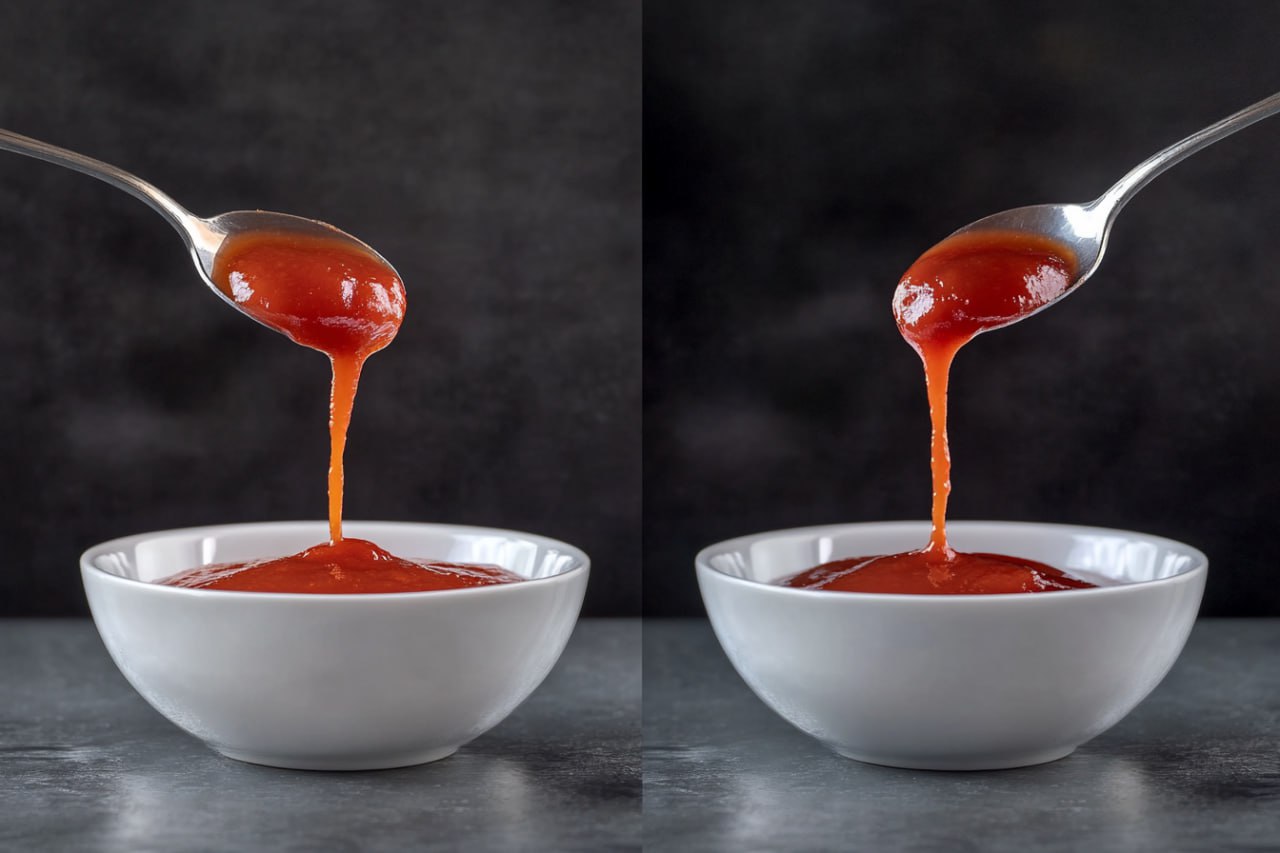
Vinegar plays a central role in defining the sharpness and tang of Australian tomato sauce. Instead of being overly sweet, the sauce typically balances a vinegary bite with just enough sugar to mellow it out. This results in a cleaner, lighter mouthfeel that doesn’t overpower savoury dishes. The level of sweetness and acidity can vary between brands – with sauces like Rosella leaning heavily acidic, while Heinz finds more balance, and Ozesauce achieves harmony through naturally fermented vinegar and subtle sweetness.
Texture Talk: Why Australian Sauce Is Often Thinner
Australian tomato sauce is known for being thinner and more pourable than its American ketchup counterpart. This runnier consistency means it spreads more easily over hot chips and pies but also means it doesn’t cling to food quite as heavily. Some regional and gourmet varieties, like Beerenberg, have a chunkier, chutney-like texture due to added onions and spices. The thinness of the sauce allows the flavour to hit quickly and dissipate, complementing rather than dominating the dish.
Classic Pairings: Meat Pies, Sausage Rolls, and Hot Chips
Few foods are more iconically Aussie than the meat pie doused in tomato sauce. This pairing is a fixture at footy matches, bakeries, and school canteens. The same goes for sausage rolls and hot chips – always better with a dollop or generous squirt of tomato sauce. In these cases, the acidity of the sauce cuts through the fatty richness of the food, while the tang and savouriness amplify each bite. It’s comfort food chemistry at its best.

From Sausage Sizzles to BBQs – A Backyard Essential
If there’s a national dish that defines Australian BBQ culture, it’s the sausage on bread – and it’s not complete without tomato sauce. At community events, fundraisers, or casual backyard barbies, tomato sauce is front and centre. Its role as a unifying flavour is unmatched, elevating plain sausages, burgers, and even steaks. Affordable, widely available, and instantly recognisable, it’s the go-to for every grill session, a non-negotiable feature of the classic Aussie sanga.
Tomato Sauce in Cooking – Not Just for Dipping
Although tomato sauce is traditionally seen as a condiment for snacks and fast food, its use in the kitchen extends well beyond dipping. In home cooking, it can add a tangy kick to stews, marinades, and glazes. It’s especially handy for weeknight meals where you need to inject instant flavour into meats or stir-fries. The balance of acidity and sweetness can help cut through rich ingredients like beef or pork, while the mild spices bring an added layer of depth. Tomato sauce is a pantry fallback—quick, familiar, and endlessly adaptable.
Surprising Global Dishes That Use Tomato Sauce (e.g., Japanese Naporitan)
Beyond Australian borders, tomato sauce and ketchup-like condiments appear in some unexpected culinary places. A famous example is Japanese spaghetti naporitan, a dish that uses ketchup or tomato sauce as a base instead of traditional Italian tomato sauces. In Japan, this dish is embraced as comfort food, combining sausages, onions, capsicum, and spaghetti with ketchup for a sweet, tangy, and savoury fusion. Similarly, nasi pattaya from Malaysia wraps tomato-infused fried rice in an omelette, using tomato sauce as both a seasoning and a garnish. These examples show how Aussie-style sauce can be just as versatile as any global condiment.
Brand Showdown: Which Supermarket Sauce Tastes Best?
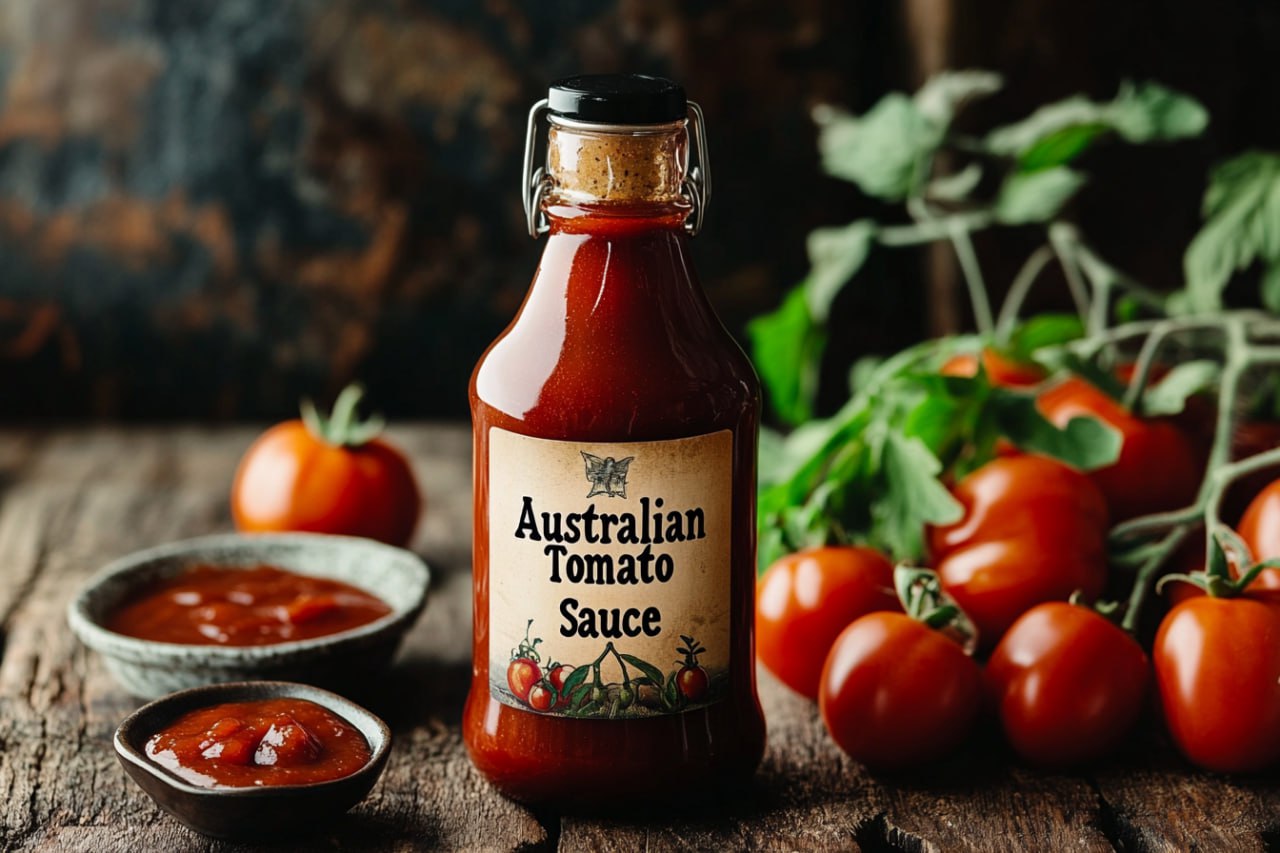
A recent tasting session of major supermarket tomato sauces revealed just how much variation exists across brands. Each sauce was judged on sweetness, acidity, viscosity, and complexity:
- Rosella was sharp and acidic, with little sweetness and a watery texture.
- Beerenberg was thick and onion-heavy, almost chutney-like.
- Heinz (technically ketchup) was silky, balanced, and slightly spicy.
- Fountain offered well-balanced sweetness and warm spice notes.
- MasterFoods had a thick texture and strong onion flavour, more savoury than sweet.
- Woolworths’ home brand was acidic but lacked depth.
- Ozesauce stood out for its natural vinegar, rich tomato taste, and pleasant consistency.
Ozesauce to Heinz – A Breakdown of Flavours and Thickness
Each brand of tomato sauce available in Australia caters to slightly different tastes. Heinz, while American in origin, provides a well-rounded flavour that feels refined—ideal for those who like a hint of sweetness. Ozesauce, a standout among the more boutique brands, uses fermented vinegar instead of acetic acid and offers a subtle sweetness with pronounced tomato depth. Beerenberg leans heavily on onions and spice, making it almost like a tomato-based relish. In terms of thickness, sauces like MasterFoods and Beerenberg are quite dense, while brands like Rosella and Woolworths are thinner and more pourable. The choice ultimately comes down to personal preference, whether you value sweetness, acidity, spice, or richness.

The Spicy, the Sweet, the Vinegary – Comparing Profiles
Tomato sauces in Australia can be roughly grouped by flavour profile:
- Spicy & complex: Beerenberg and MasterFoods have strong onion and spice elements, better for cooking.
- Sweet & smooth: Heinz and Fountain offer rounded profiles that appeal to a wider palate.
- Tangy & sharp: Rosella and Woolworths focus more on acidity, which may be too sour for some.
- Balanced & natural: Ozesauce provides a moderate sweetness and rich tomato profile with natural fermentation notes.
Why Tomato Sauce Causes Confusion in Recipes (Especially Online)
A common problem arises when Australians follow international recipes that call for “tomato sauce.” In the U.S., that term often refers to pureed or lightly seasoned tomato products used in pasta or soups—closer to passata or tomato purée in Australian terms. Mistakenly using Australian tomato sauce in such recipes can throw off the dish entirely, as the vinegar and sugar content dramatically alter the intended flavour.
What Australians Call ‘Tomato Sauce’ vs ‘Pasta Sauce’ vs ‘Passata’
In Australia, “tomato sauce” refers strictly to the condiment, not to be confused with “pasta sauce” or “passata.”
- Tomato sauce = what Americans call ketchup
- Pasta sauce = a ready-made seasoned sauce for spaghetti, often jarred
- Passata = pureed, strained tomatoes with no added seasoning, typically used as a base for homemade sauces
How to Choose the Right Sauce When Following International Recipes
If you’re following a recipe from the U.S. or Europe, don’t assume that “tomato sauce” means what it does in Australia. When in doubt:
- For curries, soups, or pasta: Use passata or crushed tomatoes, not Aussie tomato sauce.
- For burgers, hot dogs, or sausage rolls: Go with traditional Australian tomato sauce.
- If the recipe calls for ketchup: You can substitute with Australian tomato sauce, but expect it to be a little thinner and more vinegary.

UK Tomato Sauce vs Australian Sauce – Similar or Different?
In the UK, the term “tomato sauce” is often used the same way as in Australia – referring to what Americans know as ketchup. British versions tend to be tangier than their American counterparts, with less sugar and more vinegar. This brings them closer to the Australian style. However, Australian tomato sauce still retains a unique identity, often less sweet and slightly thinner than the British variety.
The American Sweet Tooth – Why Ketchup Tastes Different
The major difference between American ketchup and Australian tomato sauce lies in sugar content. In the U.S., ketchup is often made with high-fructose corn syrup or large quantities of sugar. This caters to the American palate, which has a strong preference for sweet condiments. In contrast, Australians prefer more sour and savoury profiles.
Cultural Palates: Why Australians Prefer Sourness over Sweetness
Australia’s taste preferences are historically influenced by British cuisine, which favours tanginess and sharpness over sugary tones. Vinegar-based condiments like pickles, chutneys, and brown sauce are staples. Even with multicultural influences, Australians retain this preference for sour, sharp flavours—reflected clearly in their tomato sauce.
Ketchup’s Rise in Australia – Thanks to Burgers and Globalisation
Despite the loyalty to traditional tomato sauce, ketchup is gaining popularity in Australia. The global rise of American-style fast food and gourmet burgers has contributed to this shift. Today, ketchup sits alongside tomato sauce on supermarket shelves and has found its niche, particularly among younger generations and urban dwellers.
The Rise of Small-Batch and Natural Tomato Sauces in Australia
The artisanal food movement has introduced small-batch, preservative-free tomato sauces into the Australian market. Brands like Ozesauce and Beerenberg focus on natural fermentation, cleaner labels, and unique spice blends—appealing to health-conscious and flavour-curious consumers.
Behind the Scenes: How Aussie Sauce Is Developed Today
From multinational companies to boutique producers, sauce development in Australia involves extensive recipe testing. Brands adapt their flavour profiles to match consumer preferences, often collaborating with chefs. The goal is consistency, balance, and taste – whether for large foodservice customers or household tables.
What Makes Australian Tomato Sauce “Homemade-Style”?
Homemade-style sauces often use simple ingredients like ripe tomatoes, onion, vinegar, and spices. They are thicker, chunkier, and more aromatic than store-bought versions. These sauces carry a sense of tradition and often evoke childhood memories or family meals—making them more than just a condiment.
Tomato Sauce or Ketchup – Does It Really Matter?
While there are technical differences between tomato sauce and ketchup, in everyday life, it’s often a matter of personal preference. Australians remain proud of their sauce—whether thin and vinegary or thick and sweet. What matters is how it enhances the food and connects to the moment.
Why Tomato Sauce Remains an Aussie Icon
Tomato sauce is more than a red bottle in the fridge. It’s a cultural icon that connects Australians across generations. From casual BBQs to school lunches, it’s a shared language of flavour, familiarity, and national pride. In a constantly evolving food landscape, tomato sauce remains steadfast—a true Aussie classic.